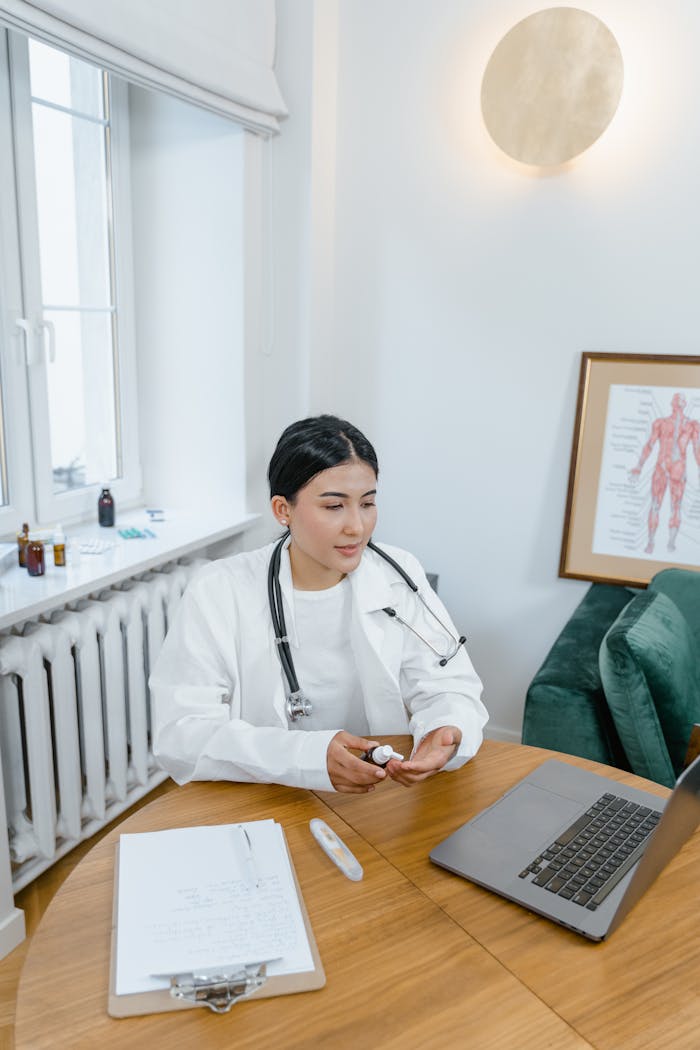

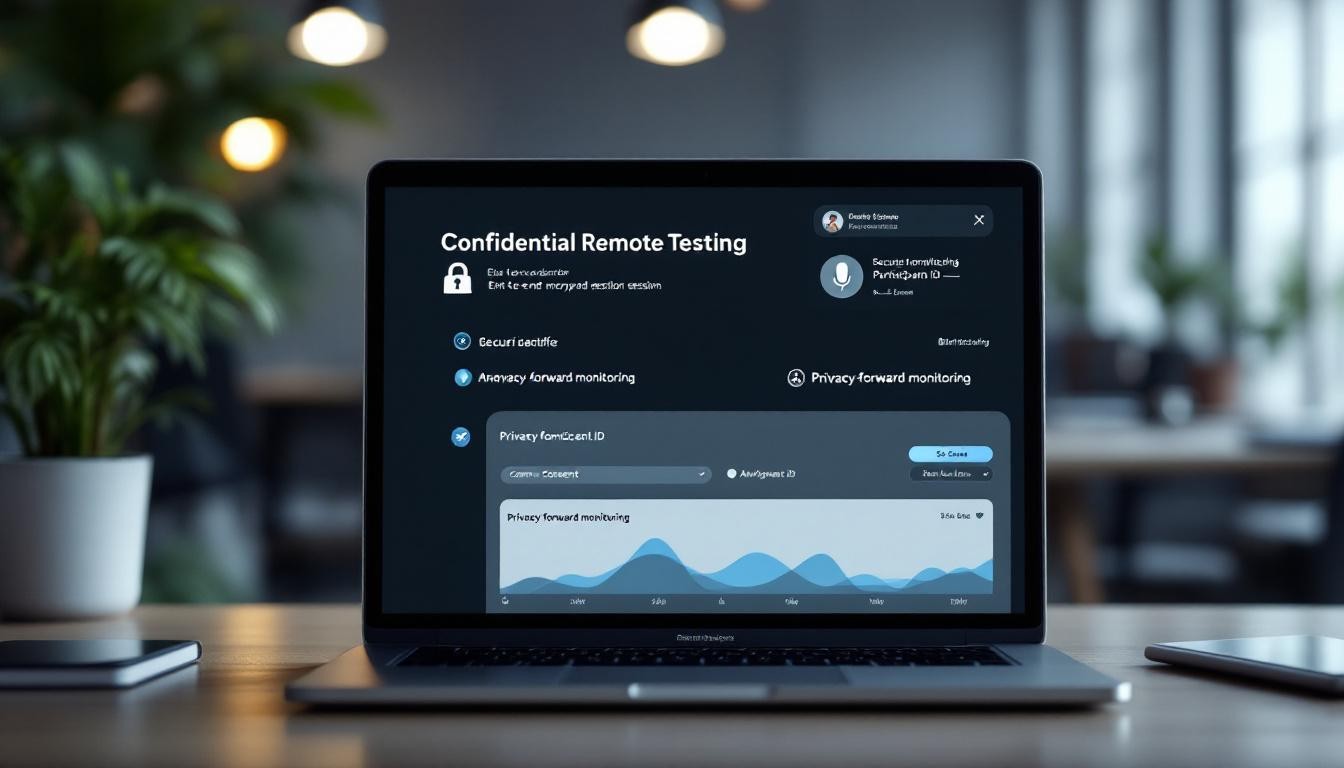
Privacy concerns shouldn’t stand between patients and the care they need. At EveningIOP, we’ve built confidential remote testing options that let people monitor their health without sacrificing confidentiality.
The technology behind remote testing has evolved to protect your data at every step-from collection through reporting. This means you can get the monitoring you need while keeping your information secure.
How Remote Testing Protects Your Privacy
Encryption Standards That Meet Healthcare Requirements
Remote testing works only when patients trust that their information remains confidential. Healthcare providers use encryption standards that meet industry requirements. Data traveling between your home and our systems uses AES-256 encryption, the same standard banks use to protect financial transactions. This applies to every piece of information-test results, timestamps, patient identifiers-whether it moves across the internet or sits in storage. The encryption happens automatically; you don’t need to do anything special. What matters is that intercepting your data without the decryption key is practically impossible. Transport Layer Security secures all connections, which adds another layer by protecting the pathway itself. This dual approach means someone monitoring network traffic cannot read your personal health information even if they capture it.
Identity Verification Without Invasive Monitoring
Confirming you are who you say you are doesn’t require surveillance of your environment or personal space. Photo ID verification cross-referenced with webcam images during specimen collection prevents proxy testing and ensures accuracy. This method protects your privacy because it focuses only on identity confirmation, not monitoring of your surroundings. Access to your data inside systems is restricted through role-based access controls, meaning only clinicians directly involved in your care can view your results. Multi-factor authentication protects staff accounts, preventing unauthorized access even if someone obtains a password. Audit trails log every access to your information, so any unusual activity triggers immediate investigation. These controls follow HIPAA security requirements and SOC 2 standards, frameworks that independent auditors verify annually.

The result is that your data stays in the hands of people who need it for your treatment.
Anonymized Reports That Separate Identity From Results
Anonymized reporting systems separate your identity from your test results during analysis and reporting. Your name and contact information stay encrypted in one database while results are analyzed in another. This separation reduces the risk that a data breach exposes both your identity and your health status simultaneously. You receive reports that include only the information relevant to your care and recovery progress. No unnecessary reports are generated, and data is not shared with third parties without your explicit consent. HIPAA regulations govern how long your information is retained and what happens to it after your treatment ends. Regulatory compliance isn’t optional-HIPAA violations fines can reach $100,000 per offense, plus reputational damage that affects patient trust. That financial and legal reality ensures providers treat your privacy as a business priority, not an afterthought.
What Happens Next in Your Care
These protections form the foundation of confidential remote testing, but the real value emerges when you see how the technology integrates with your actual treatment. The systems that keep your data secure also enable real-time result verification and seamless connection to your care plan.
Remote Testing Technologies and Methods
Confidential remote testing succeeds when the mechanics stay invisible to you. Specimen collection happens at your home or at approved locations near you, which eliminates the need to take time off work or travel to a clinic during business hours. When you collect a specimen at home, you follow clear instructions that guarantee the sample meets laboratory standards. The specimen arrives at the lab with encrypted specimen identifiers that link it to your account without exposing your name on the physical package. Approved collection locations offer the same privacy protections if you prefer an in-person option.
Real-Time Result Verification
Real-time result verification means you see your results within hours, not days. This speed matters because faster feedback creates accountability without shame. You access results through a secure portal that requires multi-factor authentication, so no one else can view your data even if they have access to your device. The verification process confirms that results match your identity and that no tampering occurred during transit or storage. This immediate access to information shifts the dynamic from clinical surveillance to patient empowerment.
Integration With Your Treatment Plan
Integration with your treatment program happens automatically once results arrive. Your clinician sees results in their dashboard and adjusts your care plan based on actual data, not assumptions. If a result raises concerns, your clinician discusses it during your next session rather than through email or automated alerts that might feel impersonal. This integration reduces the gap between testing and clinical response, which research shows improves engagement and outcomes.
How Technology Removes Barriers
The entire system runs on the principle that technology should remove barriers to care, not create them. Encrypted specimen identifiers protect your privacy while allowing labs to process samples accurately. Secure portals let you track your progress without exposing sensitive information to anyone outside your care team.

Automated integration between testing systems and clinical dashboards means your provider responds faster to results that matter. These technical foundations enable a care experience where confidentiality and clinical effectiveness work together rather than against each other. What happens next depends on how your clinician uses this real-time data to shape your recovery path.
Why Remote Testing Works for People With Busy Lives
Scheduling Flexibility Removes the Biggest Barrier
Privacy-focused remote testing removes the friction that stops people from getting care they need. When testing happens at home or near your workplace, you eliminate the time cost of clinic visits during business hours. A person working full-time cannot easily take two hours off for a clinic appointment, specimen collection, and travel. Remote testing collapses that barrier. You collect a specimen when it fits your schedule, send it in, and receive results within hours through a secure portal.
This flexibility matters because research shows that people engaged in substance use treatment who face scheduling obstacles are more likely to miss appointments and drop out of care. The convenience factor directly affects whether someone stays in their program or abandons it. Evening and night-time programs specifically serve working professionals who need care that fits their schedule, not the other way around.
Privacy Infrastructure Reduces Stigma
The privacy infrastructure that protects your data also removes stigma from the testing process itself. You are not sitting in a waiting room where someone might recognize you. You are not explaining to a supervisor why you need time off for a clinic visit. You are not feeling watched or judged during specimen collection. This psychological shift is not theoretical.
Studies on online proctoring adoption show that when testing moves from in-person to remote environments, participation rates increase because people feel less exposed. 63% of assessments occur online versus 37% offline, reflecting strong preference for remote environments when privacy protections are in place. The same principle applies to substance use testing. When the testing experience feels confidential and convenient, more people engage consistently with their treatment.

Cost Advantages Make Treatment Affordable
The cost advantage matters significantly. Home-based testing eliminates facility overhead that gets passed to patients through higher fees. Labs process encrypted specimens efficiently without the administrative burden of managing in-person traffic. These savings translate to lower costs for monitoring, making ongoing treatment more affordable for people who might otherwise skip testing to save money.
When cost, convenience, and privacy align, engagement improves and treatment outcomes follow. Remote testing removes multiple barriers simultaneously-time, expense, and exposure-that traditionally kept people from consistent participation in care.
Final Thoughts
Privacy and clinical effectiveness reinforce each other in confidential remote testing options. When patients trust that their information stays confidential, they engage more consistently with their treatment and respond better to clinical interventions. Remote testing removes the barriers that traditionally kept people from seeking care: the time cost of clinic visits, the expense of facility overhead, and the stigma of being seen in a treatment setting.
At EveningIOP, we integrate confidential remote testing into evening and night-time intensive outpatient programs because working professionals need treatment that fits their lives. Our approach combines live telehealth group therapy, one-on-one sessions with licensed clinicians, and remote drug and alcohol testing-all designed around the reality that people in recovery have jobs, families, and schedules that don’t pause for treatment. The encryption, access controls, and anonymized reporting systems described throughout this post form the foundation that makes this flexibility possible without compromising confidentiality.
Technology’s role in confidential care is to disappear from the patient’s awareness. When encryption works, when access controls function, when results arrive securely and quickly, patients focus on their recovery instead of worrying about exposure. If you’re ready to explore treatment that respects both your privacy and your schedule, EveningIOP offers DHCS-licensed, Joint Commission-accredited evening programs that combine clinical effectiveness with the flexibility you need.