

Summary
- Evening Intensive Outpatient Programs (IOPs) offer unique anxiety management techniques that can be practiced during treatment sessions and at home
- The evening hours often heighten anxiety due to accumulated daily stress, reduced structure, and anticipatory anxiety about sleep
- Mindfulness-based approaches like grounding exercises and body scan meditation are particularly effective during evening treatment sessions
- Creating a consistent pre-IOP routine can significantly reduce anxiety and improve treatment outcomes
- Evening IOP programs incorporate evidence-based techniques specifically designed to address nighttime anxiety patterns
Anxiety doesn’t operate on a 9-to-5 schedule. For many people, it gets worse as the day goes on, making evening hours especially difficult. If you’re enrolled in an evening Intensive Outpatient Program (IOP), you’re already taking a big step toward recovery.
Evening IOP programs provide a unique benefit for those who need to juggle work, school, or family duties during the day. However, these programs also come with their own set of challenges when it comes to managing anxiety. The silver lining is that with the appropriate techniques and regular practice, it’s possible to manage and even reduce evening anxiety over time. Let’s take a look at why evenings can cause increased anxiety during intensive outpatient treatment and learn about some effective ways to tackle these issues.
What Causes Evening Anxiety in Intensive Outpatient Treatment?
Before we can tackle effective anxiety management techniques, we need to understand why anxiety often increases in the evening during IOP. This isn’t just a random occurrence. There are very real psychological and physiological reasons that make evenings especially difficult for those in recovery.
- Stress buildup from the day
- Tiredness impacting emotional control
- Anxiety about sleep
- Less distraction from intrusive thoughts
- Concerns about tomorrow’s difficulties
Those who attend evening IOP sessions often come bearing the emotional burdens of their day. This buildup of stress can make it harder to engage in therapy but also presents a unique chance to address immediate anxiety in a supportive setting.
How Stress Builds Up Throughout the Day
As the day progresses, we all face many stressors that can pile up, leading to what therapists refer to as the “stress accumulation effect.” Studies have found that cortisol, the primary stress hormone, naturally fluctuates throughout the day, and many people have secondary peaks in the evening. For those participating in an IOP, this means they may come to evening sessions with a higher level of baseline anxiety. The silver lining is that evening programs are intentionally structured to address this physiological fact, using techniques that tackle accumulated stress instead of overlooking it.
How Lack of Structure Contributes to Anxiety
As the day turns into evening, the structured activities that usually keep anxiety in check during the day start to fade. Work is over, scheduled appointments are done, and the mind has more room to roam—sometimes into areas of concern and overthinking. This lack of structure creates what therapists refer to as “anxiety windows”—times when anxious thoughts can more readily intrude. Evening IOP programs help establish a healthy structure during these susceptible times, offering therapeutic support exactly when many participants need it most.
Switching gears from daytime duties to evening therapy is a crucial turning point. If not done correctly, the stress from the day can seep into therapy sessions, making it hard to fully participate in treatment. Learning how to smoothly transition between these two worlds is a vital recovery skill that can help in all aspects of life.
Bedtime Anxiety and Performance Anxiety
For many people who suffer from anxiety disorders, bedtime is a time of fear rather than relief. The fear of not being able to fall asleep or stay asleep—also known as sleep anticipatory anxiety—creates a frustrating cycle where the fear of insomnia actually contributes to problems with sleep. Those who participate in evening IOP often report increased anxiety around bedtime routines and sleep expectations. This type of anxiety related to sleep can be particularly challenging because it arrives just as the body needs to relax and rest.
Stress over the quality of sleep can result in physical symptoms such as a rapid heartbeat, muscle tension, and a racing mind, all of which interfere with the body’s natural ability to fall asleep. Evening IOP programs help with this particular type of anxiety by providing specific interventions that separate the work of recovery from the preparation for sleep. This gives participants the ability to manage the anxiety they feel about sleep while in treatment, which is a crucial skill that can enhance both their recovery journey and their overall quality of life.
Customized Mindfulness Practices for Evening Recovery
Mindfulness techniques have been proven to be particularly effective for managing anxiety in the evening. They can break the cycle of stress that has built up throughout the day and create the mental capacity necessary for therapeutic work. These practices assist IOP participants in moving from their daily stressors to a state where they are open to recovery work. For more information on balancing work and recovery, explore remote addiction treatment options.
“Evenings can often carry the weight of the day’s stress, making mindfulness techniques not just beneficial but crucial. In our evening IOP programs, we’ve discovered that even short mindfulness exercises can create substantial changes in participants’ ability to participate in treatment and handle anxiety.”
The appeal of mindfulness practices is their adaptability and availability. They don’t need any special equipment, can be practiced almost anywhere, and offer immediate benefits while working towards long-term anxiety reduction. Evening IOP programs usually teach several mindfulness techniques that specifically target evening anxiety patterns.
Quick Grounding Techniques for Between IOP Sessions
Grounding techniques are a fast way to bring you back to the present, stopping anxiety from drawing your focus to past mistakes or future concerns. Evening IOP sessions can be enhanced by brief grounding techniques between therapy activities to reset your mental space. The 5-4-3-2-1 method is especially useful in evening settings, when sensory overload from the day can be high. Just find five things you can see, four things you can touch, three things you can hear, two things you can smell, and one thing you can taste. For more effective ways to manage evening anxiety, consider exploring additional resources.
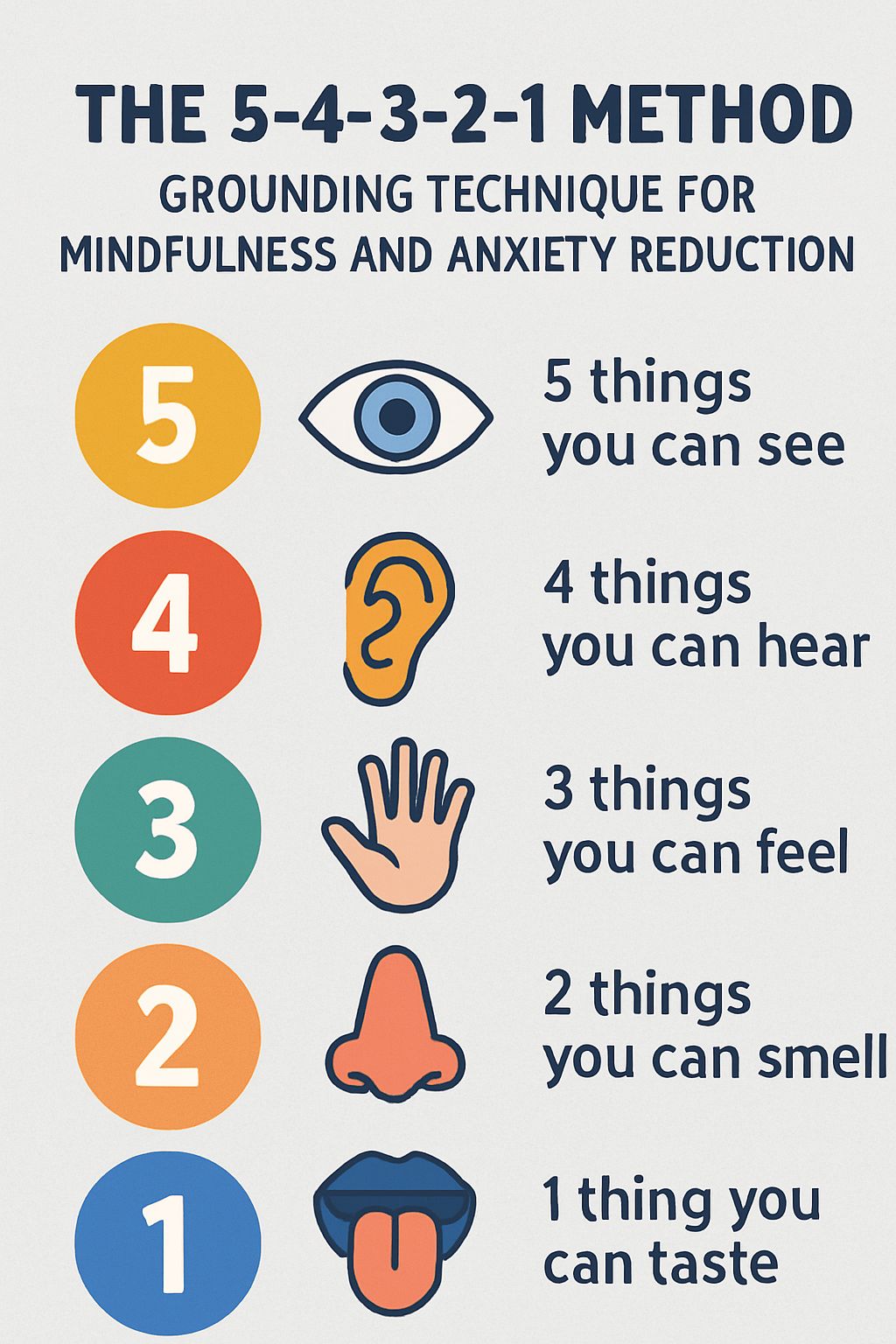
These quick strategies only take a few minutes but can greatly lessen evening anxiety symptoms by shifting focus away from overthinking and back to the present moment. Many people find that integrating these strategies during short breaks in their evening IOP schedule helps keep their concentration and emotional control throughout treatment sessions.
Body Scan Meditation to Relieve Physical Tension
By the time evening rolls around, our bodies have often accumulated a lot of physical tension from the day’s stress. Body scan meditation is a method that systematically guides your attention through each part of your body, allowing you to notice sensations without judgment and consciously let go of tension. This technique is especially useful in evening IOP settings because it addresses both the mental and physical aspects of anxiety at the same time. Many people say they find tension they didn’t even know they were carrying—particularly in the shoulders, jaw, and stomach.
Evening IOP programs usually involve body scans that can last from a brief 3 minutes to a more thorough 15-minute session. Regular practice makes this technique more effective, so it’s a great skill for managing anxiety in the evening, both during the formal treatment program and after it’s over. For a deeper understanding, you can explore more about dialectical behavioral therapy in evening IOP programs.
Group-Friendly Mindful Breathing Techniques for Anxiety Management
Being aware of one’s breath is a fundamental technique in managing anxiety because the way we breathe directly affects our nervous system. When done in a group setting during evening IOPs, synchronized breathing exercises not only provide immediate relief from anxiety but also foster a sense of community, thereby reducing feelings of isolation. Breathing exercises such as “square breathing,” where one inhales, holds the breath, exhales, and holds the breath again for the same amount of time, and “extended exhale,” where the exhale is longer than the inhale, stimulate the parasympathetic nervous system, which helps to counteract the stress response accumulated throughout the day.
These breathing exercises don’t require any special equipment or physical abilities, so they’re accessible to everyone, no matter what their fitness level or physical limitations may be. Evening IOP participants often say that mindful breathing helps them transition from their daily responsibilities to their treatment work, creating a mental space for therapeutic engagement.
Anxiety Processing Through Evening Journaling Prompts
Journaling provides a systematic method for processing anxious thoughts that may have built up during the day. Evening IOP programs often integrate targeted journaling activities with prompts created specifically to recognize anxiety patterns and challenge distorted thinking. Questions such as “What am I most anxious about right now?” and “What evidence supports or contradicts this worry?” assist in externalizing anxious thoughts onto paper where they can be scrutinized more objectively.
Writing can help slow down your mind when it’s racing, and it can help you separate yourself from intense feelings. This is especially helpful in the evenings when you might be thinking about everything that happened during the day. A lot of people find that writing in a journal for 10 minutes before they go to their evening IOP sessions helps them get in the right mindset to get the most out of therapy.
CBT Techniques Tailored for Evening Anxiety
Cognitive Behavioral Therapy (CBT) is a proven, effective method for managing evening anxiety in an intensive outpatient setting. It is designed to target the thought patterns that typically worsen as the day progresses into the evening. CBT provides practical tools that can be used right away and improved upon over time. Evening IOP programs often include a variety of CBT techniques that are customized to address the anxiety patterns that occur at the end of the day and to prepare patients for a peaceful evening.
Using Thought Records to Confront Nighttime Negative Thoughts
Thought records are a useful tool for pinpointing and confronting the anxiety that builds up over the course of the day. As a cognitive behavioral therapy (CBT) technique, it’s especially helpful for nighttime anxiety because it gives you the chance to look back on the day’s stressors with a clearer mind. The method involves writing down anxious thoughts, spotting cognitive distortions (like catastrophizing or black-and-white thinking), and creating more balanced viewpoints. Those in evening IOP learn to see how their thought patterns change as they get more tired, which lets them step in before their anxiety gets worse.
Scheduling Worry Time Before IOP Sessions
Ironically, attempting to suppress your worries often makes them stick around longer. Scheduling worry time provides a different method by setting aside a specific time—preferably before evening IOP sessions—solely for worrying. This technique requires you to write down your worries as they come up during the day, then only deal with them during the scheduled worry time. This structured method keeps anxiety from eating up your mental energy all evening.
Several people who participate in evening IOP find it beneficial to set aside 15-20 minutes of time to worry before their treatment sessions. This helps them clear their minds and better engage in therapy. By setting aside time to worry, they can control when and how they process their anxious thoughts, instead of letting their anxiety control their evening.
Using Reality Testing to Address Fears Related to Treatment
Many individuals who attend evening IOPs have certain anxieties that are directly related to the treatment process, such as fears about participating in group activities, being judged, or discussing challenging emotions. Reality testing is a technique that can be used to systematically evaluate these fears about treatment and compare them to objective evidence. This technique, which is often used in CBT, can help individuals differentiate between predictions that are based on anxiety (“Everyone will judge me if I share in group tonight”) and the actual reality (“Most group members have expressed appreciation for honest sharing”).
The method requires pinpointing particular thoughts about treatment that cause anxiety, collecting data to support or refute these thoughts, and forming a more even-handed viewpoint grounded in reality rather than fear. Evening IOP programs frequently include reality-check exercises at the start of sessions to tackle anticipatory anxiety and lay the groundwork for beneficial therapeutic work.
Reality testing is especially useful for tackling catastrophic thinking, which often escalates during the evening when tiredness lowers emotional resilience. By learning how to weigh anxious predictions against evidence, participants gain more trust in their capacity to handle evening anxiety during and after the formal treatment program.
Physical Techniques That Help Manage Evening Anxiety
Just as cognitive strategies are crucial for managing anxiety, physical strategies are just as important. At the end of the day, your body has built up physical tension from the day’s stressors. This can cause physical symptoms of anxiety that can get in the way of your treatment. Evening IOP programs use specific physical techniques to directly address these physical symptoms of anxiety.
Physical methods of managing anxiety are effective because they disrupt the body’s stress response and trigger the parasympathetic nervous system, which is our built-in relaxation system. These techniques are especially useful in evening treatment settings because they require little equipment and offer immediate relief, while also contributing to a long-term reduction in anxiety.
Using Progressive Muscle Relaxation to Relieve Tension After Work
Progressive Muscle Relaxation (PMR) is a technique that targets physical tension by tensing and relaxing different muscle groups throughout the body in a systematic way. This method is particularly useful for managing anxiety in the evening because it directly addresses the muscle tension that builds up over the course of the workday. Many individuals unknowingly hold stress in certain areas—often the shoulders, jaw, and stomach—leading to physical discomfort that exacerbates mental anxiety.
In evening Intensive Outpatient Program (IOP) settings, Progressive Muscle Relaxation (PMR) sessions are often abbreviated. They usually start with participants identifying their personal “tension patterns”. These are the specific areas where they hold stress. This awareness alone can significantly reduce physical symptoms of anxiety. The technique then guides participants through intentionally tensing each muscle group for 5-7 seconds. This is followed by complete relaxation. It creates a noticeable contrast between tension and release. This practice helps reestablish the mind-body connection that often becomes disrupted during high-stress periods.
Box Breathing and Other On-the-Go Breathing Exercises
When it comes to evening IOP participants, breathing techniques are arguably the most convenient anxiety management tools. Box breathing, which involves inhaling for four counts, holding the breath for four counts, exhaling for four counts, and then holding the breath again for four counts, establishes a rhythmic pattern that naturally slows down both the breathing and heart rate. This technique can be done quietly and discreetly anywhere, making it an invaluable tool for managing anxiety both during and after treatment sessions.
There are other methods of breathing such as the 4-7-8 method, which involves inhaling for 4 counts, holding the breath for 7 counts, and exhaling for 8 counts, and diaphragmatic breathing, which involves taking deep breaths into the abdomen instead of shallow breaths into the chest. These methods offer more choices depending on what the individual prefers. Those who participate in Evening IOP usually learn several methods and identify which ones work best for their specific anxiety patterns. These breathing exercises are simple and effective immediately, making them fundamental skills in managing anxiety in the evening.

Easygoing Exercises That Won’t Interfere With Sleep
Light exercise can be a great way to combat anxiety in the evening without causing the sleep disturbances that can come from intense workouts too close to bedtime. Evening IOP programs often include easy stretching exercises, basic yoga poses, or leisurely walking meditation as part of treatment sessions. These activities help to relieve muscle tension, lower stress hormone levels, and break the cycle of anxious thoughts by encouraging mindfulness and focus on physical sensation.
Quite a few people find that just five minutes of purposeful movement between work and evening IOP sessions can help to create a necessary transition that lowers anxiety and improves engagement in treatment. These movement practices are especially beneficial for those who spend their workday in sedentary positions, where physical tension can build up without being noticed until it shows up as anxiety in the evening.
Designing a Nighttime Regimen That Fosters Healing
Regular regimens offer crucial organization during susceptible nighttime periods when anxiety often escalates. Evening IOP schemes assist attendees in crafting individualized regimens that connect daytime obligations and nighttime relaxation. These organized strategies create predictability that inherently lessens anxiety by eradicating needless decision-making and instituting beneficial habits.
Getting Ready for Evening IOP
Use the hour before evening IOP sessions to get yourself ready for the therapeutic work ahead. You could meditate, stretch, go over your treatment goals, or write in a journal about how anxious you’re feeling. You might find it helpful to change out of your work clothes to symbolically shift from your work role to focusing on your recovery.
These pre-session rituals have many benefits: they allow for mental preparation for therapy, relieve any stress built up over the day, and create a clear divide between work-related stress and recovery work. Even something as simple as arriving 10 minutes early to sit quietly in the car can greatly improve treatment engagement and lessen anxiety in the evening. For those balancing work and recovery, remote addiction treatment offers a flexible solution.
Moving from Work to Therapy
Moving from the work day to the evening IOP can be a source of anxiety that needs to be managed. Activities that help transition from work to therapy can create a buffer zone that helps process the stress of the work day before starting therapy. Simple activities like a 10-minute walking meditation, listening to calming music during the drive, or doing a quick breathing exercise in the parking lot can greatly reduce the anxiety brought into the evening session.
Many people find that by openly recognizing the change through ritual helps to mentally distance themselves from the stresses of the workday. This could involve writing down any unfinished work tasks to be dealt with the following day, changing your posture to release physical tension, or saying a personal affirmation about moving into a recovery space. These transitional practices stop work anxiety from spilling over into treatment time, allowing for more focused therapeutic engagement.
Relaxation Techniques After Sessions
The period between the end of evening IOP and bedtime is another time when anxiety can increase. Good relaxation techniques can make the transition to rest smoother and reinforce the skills learned during treatment. Evening IOP programs usually help participants create individual relaxation routines. These routines could include gentle stretching, journaling about what they learned during the session, reading a bit, or listening to calming sounds. The regularity of these routines tells the mind and body that the day is over, which can naturally lower anxiety about sleep and worries about the next day.
How Group Evening IOP Helps Manage Anxiety
Evening IOPs that operate in a group setting offer certain benefits for managing anxiety that you can’t get from individual therapy. You can share your experiences, which can help you feel less alone, make your anxiety symptoms feel more normal, and give you the chance to practice your skills in a supportive setting. Plus, the energy from the group can help fight off any tiredness you might feel in the evening, helping you focus more on your recovery.
Evening IOP programs use group dynamics in structured activities specifically made to tackle common evening anxiety patterns. These collaborative methods help participants realize they are not alone in their struggles while giving practical tools for immediate and long-term anxiety management.
Peer Support Techniques for Shared Anxiety
Structured peer support activities provide a safe space to talk about experiences with anxiety and share management strategies that work in real-world settings. Paired shares, where participants talk about specific anxiety challenges with one other person, often feel less intimidating than full group discussions, especially during evening sessions when energy might be lower. These connections help normalize experiences with anxiety while building supportive relationships that extend beyond the formal treatment program.
In many evening IOP programs, there are “anxiety management spotlights” where participants can voluntarily share specific techniques that they have found helpful for their evening anxiety. These peer-led moments tap into the collective wisdom of the group and empower the participants as active contributors to the recovery community. The validation of shared experience often reduces anxiety more effectively than clinical explanations alone.
Practicing Tough Nighttime Situations
Nighttime can often bring about specific triggers for anxiety that can be helpful to practice through role-playing. Some common situations might be dealing with family questions about treatment, handling social situations in the evening without substance use, or communicating needs to partners when anxiety is high. These structured practice sessions provide a safe place to build and improve anxiety management skills before they are needed in real-life situations.
Applying What You Learn: Crafting Your Own Anxiety Management Strategy
The primary objective of an evening IOP is to equip you with long-lasting anxiety management techniques that will persist even after your treatment is finished. Successful programs aid participants in formulating their own anxiety management strategies that cater to their unique evening triggers and symptoms. These personalized methods acknowledge the fact that anxiety presents itself differently in everyone and needs interventions that are custom-made, not generic.
Developing your own anxiety management strategy involves pinpointing your most frequent evening anxiety triggers, keeping a record of techniques that work best for your specific symptoms, and establishing structured routines that offer the necessary support. Many participants find that a combination of several approaches—perhaps a physical technique such as breathing exercises, a cognitive technique such as thought records, and a routine element such as consistent transition activities—provides the most comprehensive anxiety management. The most important thing is to create a personalized toolkit that you can take with you in your daily life.
Common Questions
On the path to managing anxiety through evening IOP, many participants have questions about how to use these skills, how effective they are, and how to keep using them over time. Here are some of the most common questions that come up about managing anxiety in an evening intensive outpatient setting.
How soon can I expect to see results from anxiety management techniques in an IOP setting?
Many participants experience immediate relief from physical anxiety techniques such as breathing exercises and progressive muscle relaxation, even during their first practice sessions. Cognitive methods such as thought records and worry scheduling usually show measurable benefits within 2-3 weeks of regular practice. Most people report significant improvement in overall evening anxiety by the midpoint of their IOP program, with continued gains as skills become more automatic through regular use. Keep in mind that progress often follows a non-linear pattern—some days will be easier to manage than others, which is a normal part of the recovery process.
Anxiety management techniques are most effective when practiced regularly, not just in moments of crisis. Evening IOP programs encourage daily skill building, and many participants find that they only start to see the full benefits after several weeks of regular practice. The more patience you have with the process, the more you’ll be able to reduce your anxiety in the long run. For a comprehensive guide on how these programs incorporate techniques like dialectical behavioral therapy, check out this resource.
Is it possible to use these anxiety management strategies while on anxiety medication?
Yes, it is. Anxiety management strategies are meant to supplement, not substitute, the right medication. Many psychiatrists have observed that patients who pair medication with active anxiety management techniques have better results than those who only use medication. The skills you learn in evening IOP are important self-regulation tools that work in conjunction with the physiological support that medication offers. Always keep your IOP treatment team and medication provider informed about your full treatment plan.
What can I do if my anxiety levels increase during evening IOP sessions?
It’s normal for anxiety levels to temporarily increase during treatment. This often signifies progress, not failure. As you start to confront thoughts and emotions you’ve been avoiding, you may feel more anxious before you start to feel better. Be open with your treatment team about these experiences. They can help you figure out whether you’re experiencing a therapeutic level of discomfort or if your anxiety is too high and you need intervention. Most evening IOP programs have ways to handle increases in anxiety during sessions, like short breaks, one-on-one talks with staff, or using grounding techniques right away.
Do different types of anxiety disorders respond better to specific anxiety techniques?
Studies show that certain techniques are particularly effective for specific types of anxiety. For example, people with panic disorder often find the most benefit from breathing retraining and progressive muscle relaxation, which directly target the physical symptoms that can set off panic episodes. Social anxiety tends to respond well to cognitive restructuring techniques and gradual exposure practices. Meanwhile, generalized anxiety disorder often gets better with worry scheduling and mindfulness approaches. However, individual responses can vary a lot, and most people find it helpful to try out different techniques to find the one that works best for them.
Evening IOP treatment teams are able to customize anxiety management strategies to your particular diagnosis and symptoms. Many people find that the strategies that work best for them aren’t necessarily what you would expect based on their diagnosis alone. The trial-and-error, personalized approach to finding what works for you is one of the advantages of comprehensive IOP programs.
What role can family members play in supporting someone who is practicing anxiety management techniques during evening IOP?
Family support is a crucial component of successful evening anxiety management practices. The most beneficial strategies include respecting the structure of evening routines, creating a peaceful environment for skill practice when needed, showing interest in learning about techniques without exerting pressure, and acknowledging progress with specific observations. Many evening IOP programs offer family education sessions that explain anxiety management approaches and suggest specific supportive strategies tailored to your treatment plan.
When family members are aware of what you need, they can provide the right kind of help. For some people, family involvement in activities such as evening walks or breathing exercises can be helpful. Others may need to be alone for activities such as writing in a journal or meditating. By being clear about what you need, you can avoid misunderstandings and create a home environment that supports your ongoing efforts to manage your anxiety.
Keep in mind that your family may need support as they figure out their role in your recovery. Many treatment programs provide resources for loved ones to help them understand anxiety disorders and learn how to support you in a healthy way without shouldering the burden of your recovery.
Evening anxiety during IOP treatment can be both a hurdle and a chance for progress. By using these specific strategies and establishing helpful habits, you can turn the evening hours from a time of increased anxiety into a time of effective recovery work. The skills you learn during evening IOP are lifelong tools for managing anxiety that will continue to be useful long after the formal treatment program has ended.
Are you prepared to tackle your evening anxiety head-on with a comprehensive treatment plan? For those balancing work and recovery, consider exploring remote addiction treatment options that offer flexibility and accessibility.