


Summary
- To build resilience in sobriety, it’s important to establish a solid foundation through structured routines, awareness of triggers, and healthy coping mechanisms.
- Having a support network is vital for long-term recovery. Surrounding yourself with the right people can make the difference between struggling and thriving.
- Mind-body practices such as regular exercise, proper nutrition, and adequate sleep can greatly enhance your ability to maintain sobriety.
- Being prepared with strategies for navigating high-risk situations and managing cravings will empower you to face challenges without relapsing.
- Recovery isn’t just about abstaining from substances, it’s about rebuilding a fulfilling life that makes sobriety worth fighting for every day.
Maintaining sobriety isn’t just a matter of willpower, it’s about creating a resilient lifestyle that supports your recovery in every way. Whether you’re newly sober or have been on this journey for years, the challenges of maintaining sobriety require intentional strategies and consistent effort. At EveningIOP.com, we believe that building a strong foundation for lasting recovery means addressing all aspects of your well-being.
Establishing a Solid Foundation for Sobriety
Imagine your recovery journey as constructing a home – without a strong foundation, the rest of the house is shaky. The foundation of long-term sobriety is made up of several key components that provide stability, even when life throws you curveballs.
Establish a Routine for Your Day
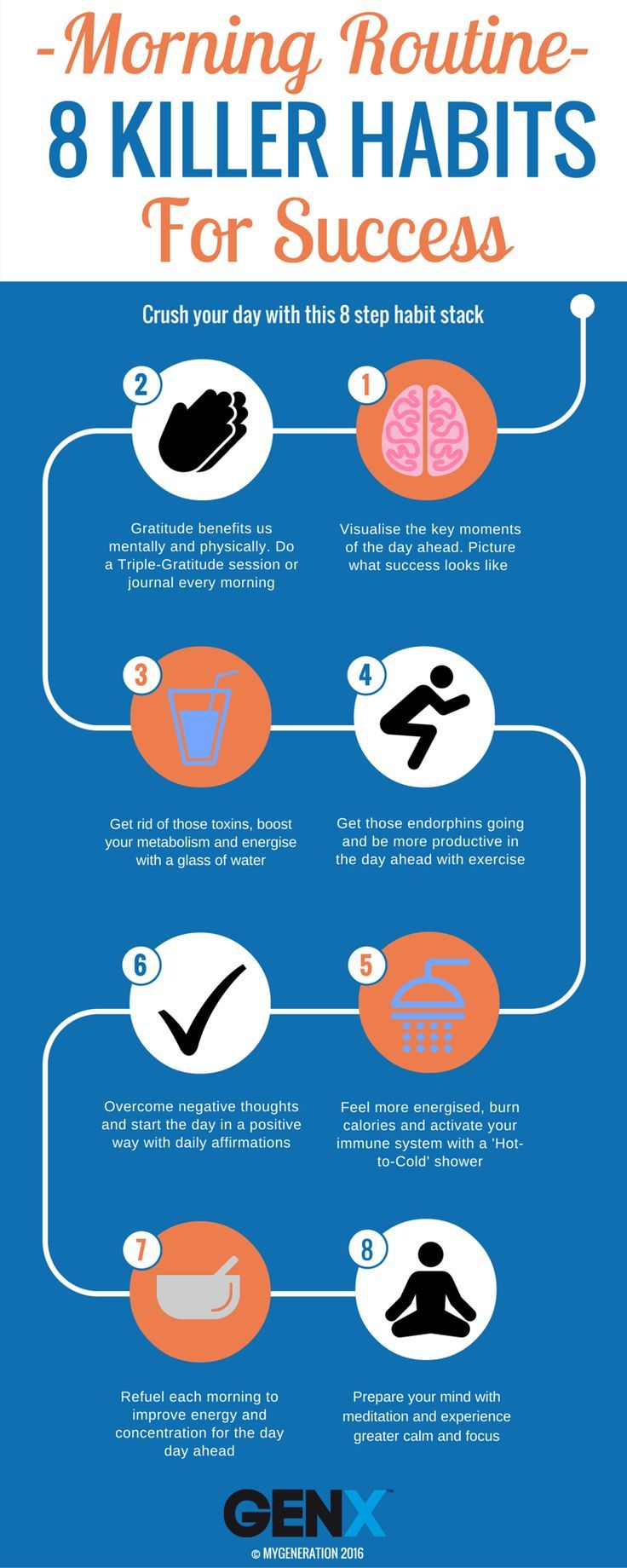
Having a routine is the key to starting off on the right foot in recovery. When you no longer spend your time using substances, the hours that were once filled can become a breeding ground for cravings and negative thinking. A regular daily routine takes the guesswork out of “what do I do now?” and gives each day a purpose. Start with consistent times for sleeping and eating, and then add in activities for recovery, work responsibilities, exercise, and time for relaxation.
Starting your day off right is key to maintaining sobriety. You might want to consider starting your day with meditation, writing in a journal, or reading some recovery literature to prepare yourself for any obstacles that might come your way. A lot of people who have successfully stayed sober say that having a for dealing with whatever the day throws at them.
Recognize What Sets You Off
Triggers—those people, places, emotions, or situations that spark cravings—are highly individual. What sends one person spiraling might not affect another at all. Take time to thoroughly examine your personal trigger landscape. Are your triggers primarily environmental (certain neighborhoods, friends who use), emotional (stress, boredom, celebration), or physical (fatigue, hunger)? If you’re looking for ways to manage these triggers, you might find effective anxiety management techniques helpful.
Make a comprehensive list of your personal triggers and rank them according to how strongly they affect you. Just being aware of them can diminish their impact, as you won’t be taken by surprise as often. For each trigger you identify, come up with a plan of action—what you’ll do when you can’t avoid being exposed to it.
Learn to Deal with Life in a Healthy Way
Most people start using drugs or alcohol as a way to deal with hard feelings or situations. When you’re trying to stay sober, you have to find other ways to deal with these things. You could try things like going for a walk or doing yoga, making art or playing music, or talking to a therapist or going to a support group. It’s important to have a few different things you can do, because what helps you when you’re angry might not help when you’re feeling lonely. For those struggling to find time for addiction treatment, exploring evening IOP options might be beneficial.
Consider crafting a tailored “emotional first aid kit” with a minimum of three tactics for every tough emotion you frequently encounter. Regularly rehearse these, even when you’re in high spirits, so they become instinctive when you desperately need them.
Establish Attainable Goals for Your Sobriety
Without a clear path, the journey to sobriety can feel overwhelming and pointless. By setting specific and measurable goals, you can give your recovery direction and track your progress. Start with small goals, such as attending 30 meetings in 30 days or sticking to a regular sleep schedule for two weeks. As you accomplish these smaller goals, you can begin to set larger goals related to your relationships, career, or personal development.
Write down your objectives and monitor how far you’ve come. Recognizing even the smallest of wins can strengthen your dedication and boost your faith in your capacity to stay sober. Keep in mind that stumbling blocks are a part of the journey—they offer a chance to tweak your strategy, not an excuse to give up.
Don’t Underestimate the Power of Your Support Network
As humans, we’re wired to connect with others, and it’s often the case that isolation can lead to addiction, or be a result of it. It’s not just helpful, but necessary to build a social network that supports your recovery. Study after study has shown that having a strong social connection is one of the biggest factors in maintaining long-term sobriety.
Choosing the Best Support Group for You
Every support group is different, and finding one that suits your needs can make all the difference in your recovery. While traditional 12-step programs like Alcoholics Anonymous and Narcotics Anonymous have helped countless individuals stay sober, other programs like SMART Recovery, Refuge Recovery, and Women for Sobriety provide alternative methods that might better match your personal beliefs and approach to recovery.
Remember, it’s not necessary to stick to just one form of support. A combination of peer support groups and professional therapy often provides the most robust support system. The most important thing is to find places where you feel genuinely understood and accepted, rather than judged or pressured. Don’t be afraid to try out different groups until you find the one that feels like your recovery “home.”
Establishing Limits with Detrimental Relationships
One of the most heartbreaking parts of recovery can be the realization that certain relationships in your life do not support your sobriety. These could be friends who still drink or use, enablers who downplay your addiction, or even family members who unknowingly undermine your efforts. Establishing firm boundaries—or in some instances, temporarily or permanently distancing yourself—isn’t self-centered; it’s vital self-care.
Start by expressing your needs in a straightforward manner, such as, “I don’t feel comfortable around alcohol at the moment” or “I need to concentrate on my recovery, which includes reducing time spent with individuals who are currently using.” Then, be ready to maintain these boundaries consistently, even if it’s tough. Healthy relationships will adjust to help your recovery; those that can’t or won’t may need to be reconsidered.
Seeking Support When You Need It
One common hurdle for people in recovery is the resistance to ask for help. This is often because they view it as a sign of vulnerability, rather than the display of courage that it actually is. One of the most important skills you can develop in your recovery is to learn how to ask for help before you hit a crisis point. Identify a few key people in your life that you trust and can reach out to when you’re having a hard time. Discuss with them ahead of time what the best way for them to support you is.
Make your needs clear: “Would you mind coming to this wedding with me? I’m worried about the open bar” or “I’m feeling triggered and could use a distraction—would you be up for a coffee and conversation?” Most people want to help but don’t always know how; clear requests make it easier for them to provide meaningful support. If you’re struggling to find time for addiction treatment, consider exploring evening IOP options that can accommodate your schedule.
How Mind-Body Practices Can Boost Your Sobriety
Addiction affects you in every way possible—physically, mentally, emotionally, and spiritually. To truly recover, you need to address all of these areas. Mind-body practices can help you create a healthy internal environment that promotes sobriety and reduces the chance of a relapse.
“Recovery is not only about quitting substances—it’s about healing the whole individual. As we enhance our physical health, we naturally enhance our ability to stay sober.” – SAMHSA Recovery Resource Center
Studies consistently demonstrate that individuals who include regular mind-body practices into their recovery routines report less cravings, better mood regulation, and higher overall satisfaction with sober life. These practices do not need to be complex or time-consuming to be effective.
The wonderful thing about mind-body techniques is that their effect builds up over time—consistent, small efforts gradually reprogram the brain’s reward pathways that were disrupted during active addiction.
1. Consistent Exercise
Working out may just be the best “magic pill” we have for staying sober. Exercise naturally boosts the same pleasure-inducing neurotransmitters (dopamine, serotonin, and endorphins) that substances artificially trigger, which helps restore the brain’s reward pathways. Research has found that just a half hour of moderate exercise can drastically cut down cravings and boost mood in those recovering from substance use disorders.
The best workout routine is one you can stick with. Whether it’s walking, swimming, cycling, dancing, yoga, or strength training, they all have their benefits. Start with where you’re at, maybe just 10 minutes a day, and slowly increase. Consider finding a workout partner or group that’s also sober for extra motivation and social interaction.
2. Eating to Stay Sober
Substance abuse can often leave the body in a state of malnutrition, which can lead to mood swings, low energy, and intense cravings. Eating regular, balanced meals can help to combat these issues. A diet that includes plenty of protein, complex carbs, healthy fats, and fruits and veggies can be incredibly beneficial for those in recovery. Drinking plenty of water and reducing your intake of sugar and caffeine can also help to keep your mood and energy levels stable throughout the day.
3. Prioritize Restful Sleep
Many people in early recovery struggle with sleep disturbances, which can greatly increase the risk of relapse if not managed properly. Strive for 7-9 hours of restful sleep by maintaining a regular sleep schedule and bedtime routine. Avoid looking at screens before bed, make sure your bedroom is cool and dark, and consider using relaxation techniques such as deep breathing or gentle stretching to tell your body that it’s time to relax and go to sleep.
Should you continue to struggle with sleep issues beyond the initial months of sobriety, it’s a good idea to seek advice from a healthcare professional. There may be underlying sleep disorders that require professional intervention. However, be wary of sleep medications, as they can sometimes lead to addiction problems.
4. Techniques for Managing Stress
Stress is one of the most common triggers for relapse, so learning to manage stress is a crucial skill in recovery. Techniques such as deep breathing exercises, progressive muscle relaxation, and guided imagery are all quick methods that can be used anywhere. Even just taking three deep breaths before reacting to a stressful situation can give you enough time to decide on a healthier response instead of falling back into substance use.
A lot of individuals discover that setting up routine “stress-relief appointments” with themselves aids in preventing the accumulation of stress. Whether it’s a weekly massage, a daily meditation practice, or an evening bath, treating stress management as a non-negotiable priority rather than a luxury significantly strengthens recovery resilience.
5. Mindfulness and Meditation
Mindfulness, or the act of focusing on the present moment without judgement, can alter your relationship with cravings and challenging emotions. Instead of battling or succumbing to urges, mindfulness instructs you to examine them with an open mind and emotional distance. Studies have found that regular mindfulness practice can actually alter the structure of your brain to better regulate emotions and control impulses.
Begin by spending just 5 minutes each day concentrating on your breathing. When your mind begins to wander (as it will), gently bring your focus back to your breath, without berating yourself. As you get more used to this, you can slowly increase the length of time you spend on it.
Getting Through Tough Times
Regardless of how robust your recovery support system is, you will inevitably encounter situations that will challenge your sobriety. The secret to overcoming these obstacles is to plan ahead—be ready with specific strategies before you face these difficult situations. By taking this proactive approach, you can turn these potential dangers into chances to build your recovery resilience. For more support, consider exploring telehealth treatment options that can aid in maintaining your sobriety.
Developing a Getaway Plan for Stressful Situations
Always make sure you have a backup plan for situations that may become stressful or trigger cravings. This could involve driving yourself to social gatherings, having a close friend ready to pick you up if needed, or just knowing that you have the freedom to leave whenever you want without having to justify yourself. Get comfortable with saying things like “I have to leave a bit early” or “Something unexpected has come up” without feeling the need to provide further details.
Get a few exit lines ready and practice them until they roll off your tongue. Making sure you have a way to get home—whether it’s your own car, a ride-hailing app on your phone, or knowing the bus schedule—can make it easier to leave quickly if you need to.
Booze-Free Options for Social Settings
It’s true that a lot of socializing involves alcohol, but that doesn’t mean you can’t join in. Holding a non-alcoholic drink often stops the awkward “why aren’t you drinking?” inquiries. Sparkling water with a slice of lime, mocktails, or alcohol-free beers (as long as they don’t set off cravings) can help you feel part of the crowd while still sticking to your limits.
It might be a good idea to speak to the party organizer before the event to make sure there will be non-alcoholic drink choices, or you could bring your own unique drinks. A lot of individuals find that having an interesting drink in their hand makes socializing without alcohol a lot more fun and relaxed. For those seeking additional support, exploring remote addiction treatment options can be beneficial in maintaining sobriety.
Navigating Holidays and Celebrations
For those in recovery, holidays and celebrations can pose unique challenges, as they often involve a mix of family dynamics, social pressures, and alcohol-centric traditions. To help navigate these situations, it can be helpful to have a detailed plan in place for each high-risk event. This plan should include which recovery strategies you’ll employ before, during, and after the event. For many, attending a support group meeting before a holiday gathering can offer a much-needed sense of perspective.
Keep in mind that it’s okay to limit your involvement. Maybe you join in on the family meal but pass on the after-dinner festivities, or you show up for the work party but head home before it becomes a late-night drinking affair. Establishing new customs that don’t focus on substances can also aid in changing these potentially triggering events into significant sober moments.
Handling Cravings: Your Go-To Guide
Cravings are a standard part of the recovery process, not a sign that you’re failing or weak. Having a set of pre-planned strategies to deal with strong urges can be the difference between staying sober and relapsing. The best part is that cravings, no matter how intense they seem, always fade over time.
Quick Tips to Beat Cravings
If you’re hit with a powerful urge to drink, knowing some fast and effective strategies can help you weather the storm until it passes. The “urge surfing” method is a visualization technique where you imagine your craving as a wave that builds, peaks, and eventually fades away while you calmly breathe through the intensity without succumbing to it. Doing something physical like going for a fast walk, doing jumping jacks, or even washing the dishes can help distract you and alter your physical state.
The HALT method is a useful tool that prompts you to consider whether you’re Hungry, Angry, Lonely, or Tired – these are all conditions that can amplify cravings. By addressing these basic needs, you can often lessen the strength of the craving. It’s also a good idea to have a written list of your own personal emergency strategies saved on your phone, so that you don’t have to think on your feet in the moment – you can just follow your own pre-set plan.
Who to Reach Out to When You’re Struggling
Have an emergency contact list of at least five people you can call when you’re feeling a strong urge to use. Include people who are supportive of your recovery, won’t judge you, and can help you navigate through tough times. Also include professional resources like your therapist, counselor, or the SAMHSA National Helpline (1-800-662-HELP) which offers 24/7 assistance for people dealing with mental health or substance use issues.
Creating a Fulfilling Life Without Substances
True recovery goes beyond just abstaining from substances—it involves creating a life that’s so rewarding and fulfilling that you wouldn’t want to jeopardize it. This means finding out who you are without substances and creating purpose through activities, relationships, and goals that reflect your true self.
Finding New Passions and Pastimes
When you’re caught in the cycle of substance use, it can take up so much of your life that you lose touch with other things you love. Getting sober gives you the chance to rediscover what truly makes you happy and fulfilled. You might want to try out new hobbies or go back to things you loved before substance use became a problem. Activities that get you moving, like hiking, martial arts, or dance, are especially good because they help your body release endorphins and promote overall health.
Artistic activities like painting, playing an instrument, writing, or even cooking can be a great way to deal with feelings and express yourself. Volunteering can also be a good way to connect with other people and help causes you care about. The most important thing is to try things out—let yourself try different activities without worrying about being perfect or sticking with it for a long time until you find something that really speaks to you. If you’re struggling, consider reaching out to helplines for support.
Work and Learning Chances in Sobriety
“Sobriety didn’t just give me my life back, it gave me back my dreams and my drive. I went from barely being able to keep a job to finding my calling in helping others who are going through the same thing.” – A testimonial from SAMHSA Recovery Resource Center
Being sober can open up opportunities for education and work that may have seemed out of reach when you were in the throes of addiction. There are now many universities and colleges that offer programs and housing options to support recovery and help students succeed while staying sober. Community colleges often offer flexible schedules and affordable classes that can help you explore your interests or learn new skills.
If you have gaps in your employment or education history due to substance use, vocational rehabilitation services can assist you in filling these gaps. Some people discover that their recovery journey becomes a professional advantage, leading to jobs in addiction counseling, peer support, or other helping professions.
Think about taking baby steps at first, like enrolling in a single class, working part-time, or volunteering in a field that could lead to a job. It’s important to establish a strong recovery base before diving headfirst into big educational or professional commitments to make sure they won’t jeopardize your sobriety.
A growing number of employers are becoming more supportive of recovery, acknowledging the unique insights and resolve that individuals in recovery frequently bring to their work. Employee assistance programs can offer further help as you tackle professional obstacles while keeping your recovery goals at the forefront.
Rebuilding Finances After Addiction
Many people who have struggled with addiction also face financial hardship, from mounting debt to low credit scores and legal financial obligations. One of the best ways to reduce stress and support your recovery is to make a realistic plan to tackle these issues. Start by understanding your financial situation and then create a plan to improve it. You might want to work with a financial counselor who understands the unique challenges faced by people recovering from addiction. For more support, consider contacting the National Helpline for guidance.
Transforming Failures into Victories
It’s uncommon for recovery to be a linear process, and the majority of individuals encounter obstacles on their journey. Your reaction to these hurdles frequently dictates whether they are brief missteps or complete regressions. Cultivating resilience—the capacity to recover from adversity—may be the most crucial recovery talent you can acquire.
When you find yourself having a slip or relapse, don’t consider yourself a failure or think about giving up. Rather, see it as a chance to learn something about your recovery program that might need some improvement. What were the events that led to the setback? What were the warning signs that you missed? What other types of support or skills could have stopped it from happening?
Instead of feeling embarrassed and isolating yourself, get in touch with your support system right away. The faster you get back in touch with your recovery resources, the quicker you’ll be able to get back on your feet. Consider whether you might need a little extra help for a while, like going back to therapy, going to more meetings, or even a short stay in a residential facility.
Keep in mind that many individuals who have achieved long-term sobriety have encountered obstacles along the way. What set them apart and led to their success wasn’t flawlessness, but tenacity—their ability to keep going despite the challenges they faced.
“Resilience in recovery isn’t about never falling—it’s about learning to rise again with greater wisdom each time.” – Substance Abuse and Mental Health Services Administration
Frequently Asked Questions
As you navigate your recovery journey, questions naturally arise about what to expect and how to handle specific situations. While everyone’s experience differs, the following answers address some of the most common concerns.
When does sobriety start to feel easier?
For many, cravings and overall health start to improve around 90 days into sobriety, with more significant changes happening around the one-year mark. However, everyone’s recovery timeline is different and depends on things like the substance you were using, how long you used it, any co-occurring conditions, and the kind of recovery support you have. Instead of only focusing on how long you’ve been sober, also pay attention to your own progress in learning how to cope, building meaningful relationships, and creating a fulfilling life without substances.
Is it possible for me to be around people who drink or use drugs?
Whether or not you can be around people who drink or use drugs depends on the stage of recovery you’re at, your personal triggers, and the situation at hand. Many professionals in the treatment field advise staying away from environments where substance use is common in the early stages of recovery, allowing you to build a strong foundation. As your recovery progresses, you may be able to handle some social situations where alcohol or other substances are present, especially if you’re properly prepared and have the right support. Always put your recovery needs before social obligations, and don’t hesitate to leave situations that you feel are threatening to your sobriety.
What steps should I take if I relapse?
First and foremost, stop using as soon as you can. A minor slip up doesn’t have to turn into a major relapse. Immediately get in touch with your support network, whether that’s a sponsor, therapist, supportive friend in recovery, or treatment provider. It’s important to be honest about what occurred and what triggered it.
Steer clear of severe self-criticism, as it can lead to a vicious cycle of guilt and continued usage. Rather, consider the situation with an open mind, wondering what lessons it may provide to bolster your recovery efforts.
Think about whether you need to temporarily ramp up your support—maybe going back to therapy, attending more meetings, or getting back in touch with a therapist.
“Relapse is often part of the process, not the end of it. The most important thing is how quickly you reconnect with recovery support and what you learn from the experience.” – SAMHSA Recovery Resource Center
How do I explain my sobriety to others without feeling awkward?
You’re never obligated to disclose your recovery status or explain why you’re not drinking or using substances. Simple statements like “I’m not drinking tonight” or “I’m the designated driver” are often sufficient. For persistent questioners, “I just feel better when I don’t drink” or “I’m focusing on my health right now” can deflect without requiring further explanation.
If you decide to be more transparent about your journey to sobriety, having a short, rehearsed response can be beneficial: “I recognized that alcohol was creating more issues than joy in my life, so I chose to make a shift.” Keep in mind that your choice to be sober is a personal health decision that doesn’t require any more explanation than if you decided to start working out or eat healthier.
- Keep your explanations short and sweet
- Emphasize the good rather than the bad (“I’m sleeping better” vs. “I was messing up my life”)
- Move on to a different topic after you’ve explained
- Keep in mind that most people aren’t as concerned about whether or not you’re drinking as you might think
Your real friends will respect your decisions without needing you to explain in detail or trying to convince you otherwise. If someone keeps pressuring you, you might need to rethink whether they’re a good support for your recovery. For those who need additional support, consider exploring telehealth treatment options that can offer professional guidance during your recovery journey.
Can you recover without a 12-step program?
Definitely. 12-step programs have been instrumental in helping millions of people attain and maintain sobriety, but they are just one of many successful recovery paths. Other evidence-based alternatives include SMART Recovery, Refuge Recovery, Women for Sobriety, LifeRing, and secular recovery groups. Many individuals also find success in recovery through individual therapy, medication-assisted treatment, faith-based programs, or a combination of different approaches.
Ultimately, the best recovery approach is the one that aligns with your own values, beliefs, and needs. Some individuals may find it helpful to explore different programs to find the one that fits them best, while others may prefer to create their own personalized recovery programs by incorporating elements from various approaches. The main ingredients for successful recovery are connection, accountability, and the development of healthy coping strategies, all of which can be achieved through a variety of pathways.
The most important thing is to find support that not only helps you stay sober, but also helps you build a fulfilling life that aligns with who you truly are. Here at EveningIOP.com, we believe in supporting each person’s unique journey to recovery, no matter what that journey may look like.