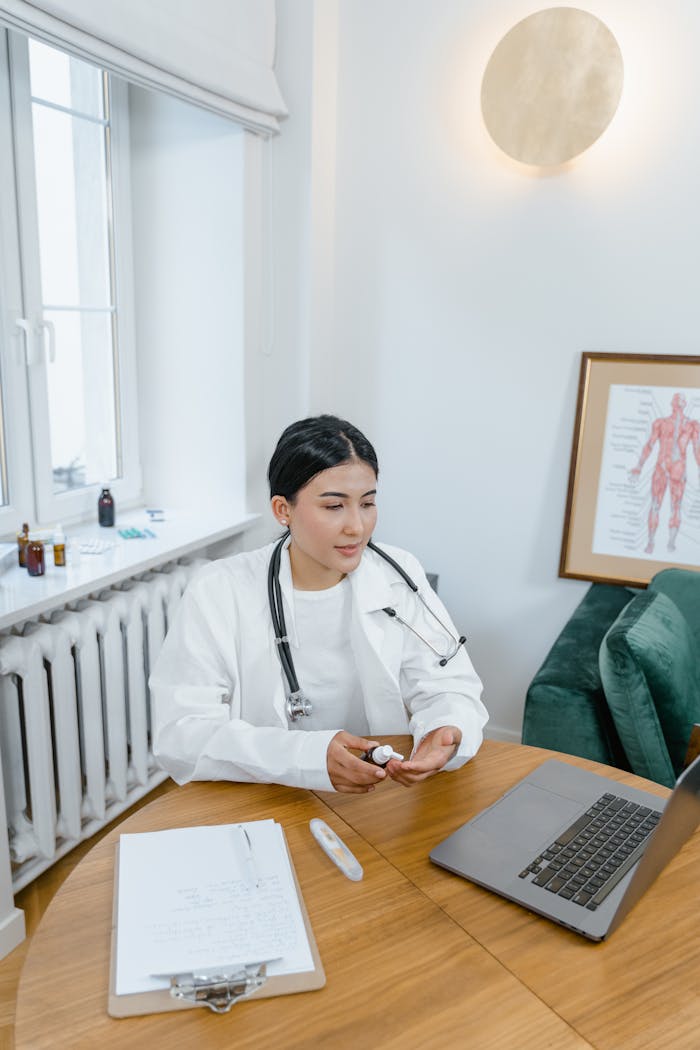


Addiction doesn’t pause for work schedules. Many professionals skip treatment because traditional programs demand daytime attendance, creating impossible conflicts with jobs and family responsibilities.
At EveningIOP, we built a licensed telehealth recovery program specifically for working adults who need flexibility without sacrificing clinical quality. Evening sessions, licensed clinicians, and remote accountability mean you can pursue recovery on your terms.
Why Working Professionals Avoid Traditional Addiction Treatment
Inflexible Daytime Schedules Force an Impossible Choice
Daytime-only intensive outpatient programs create a false choice: attend treatment or keep your job. Most working adults cannot disappear for hours during business hours without raising questions from employers, clients, or colleagues. Working professionals avoid traditional addiction treatment due to service-level barriers including not knowing where to access care and lack of treatment services in given regions. Missing afternoon sessions means missing work, which translates to lost income, suspicious explanations, or termination. This reality forces many professionals to delay treatment until their addiction reaches crisis levels.
Geographic Barriers Restrict Access Across Most of the Country
Commuting to in-person facilities during rush hour consumes 1–2 hours daily for many patients, making consistent attendance nearly impossible for those managing long work hours or multiple responsibilities. A study from Hazelden Betty Ford Foundation found that internet-based care reached patients across 46 states plus Washington DC, while in-person programs operated in only 37 states, highlighting how location dependency restricts access for rural and suburban professionals. Transportation barriers eliminate treatment options for those without reliable vehicles or living far from treatment centers.
Privacy Concerns Keep Professionals Out of Recovery
Walking into a physical addiction treatment center exposes you to recognition by neighbors, colleagues, or acquaintances in the waiting room. Stigma remains real in many communities, and professionals worry that visible participation in recovery programs could damage careers or relationships. In-person environments also lack control over your surroundings during sensitive discussions about substance use, family conflict, or personal shame. Telehealth removes privacy risks in addiction recovery entirely.
How Telehealth Addresses These Three Barriers
Evening sessions fit after work hours, not during them. Remote drug and alcohol testing maintains accountability without requiring office visits that interrupt your schedule. Licensed clinicians deliver care from your private home, eliminating the exposure that deters many working adults from seeking help in the first place. This combination of privacy, flexibility, and professional oversight addresses the reasons working professionals avoid treatment altogether-and sets the stage for understanding how a licensed telehealth program actually works.

How Evening Telehealth Programs Work for Working Adults
Evening Sessions Eliminate Scheduling Conflicts
Working professionals cannot attend daytime programs without risking their employment. Evening telehealth caters to working professionals and those with daytime constraints, allowing you to log in from home once work ends rather than requesting time off or explaining absences to colleagues. This timing removes the scheduling conflict entirely-recovery happens on your terms, not on a treatment center’s calendar.
A study from Hazelden Betty Ford Foundation tracked outcomes across in-person, hybrid, and internet-based intensive outpatient programs during 2020–2021. The research included 3,642 adults in recovery, with internet-based participants showing retention and outcome improvements matching in-person cohorts. The critical difference was flexibility: internet-based care accommodated participants across 46 states plus Washington DC, whereas geographic and time constraints limited traditional programs to 37 states. For working professionals, evening telehealth removes the false choice between recovery and employment.

Licensed Clinicians Provide Personalized One-on-One Treatment
Licensed clinicians delivering sessions during evening hours provide treatment that complements group therapy approaches. Group therapy is as effective in the treatment of substance use as individual therapy, and in certain instances may be even more beneficial. This combination creates a comprehensive treatment structure tailored to your situation.
Remote drug and alcohol testing maintains accountability without requiring you to leave work for office visits or lab appointments. Tests happen at home on a schedule that fits your routine, eliminating another barrier that working professionals face in traditional programs.
Evidence Shows Online Programs Increase Completion and Reduce Relapse
A 2018 Yale University study found that online addiction programs focused on skills and strategies increased treatment completion rates and reduced active substance use both during treatment and at six-month follow-up. Completion rates directly predict long-term recovery success, and evening programs reduce dropout rates caused by scheduling conflicts.
The combination of licensed clinical oversight, personalized care, and remote accountability creates a structure that works specifically for professionals managing full-time jobs and family responsibilities. This foundation of flexibility and clinical quality sets the stage for understanding what actually happens inside a licensed telehealth intensive outpatient program.
What Happens Inside a Licensed Telehealth IOP
Interactive Group Therapy with Peers in Recovery
A licensed telehealth intensive outpatient program combines interactive group therapy, one-on-one counseling with licensed clinicians, and remote drug and alcohol testing into a structured evening schedule. Group therapy sessions typically involve 8–12 participants who work through recovery challenges together, guided by licensed addiction counselors who facilitate discussions on coping skills, relapse prevention, and 12-step principles. The Hazelden Betty Ford Foundation study of 3,642 adults in recovery found that internet-based intensive outpatient programs achieved retention and outcome improvements matching in-person cohorts, proving that remote group therapy delivers clinical results. You log in from home once work ends and participate in real-time video sessions with peers facing similar struggles, receiving personalized feedback from clinicians trained in evidence-based addiction treatment protocols.

Personalized One-on-One Counseling Sessions
One-on-one sessions complement group work by addressing your specific situation-trauma history, family conflict, co-occurring mental health conditions, or medication management-without the exposure of sitting in a waiting room. Licensed clinicians tailor treatment to your individual needs, creating a comprehensive approach that combines the peer support of group therapy with confidential clinical oversight. This personalized structure works specifically for professionals managing full-time jobs and family responsibilities, since sessions fit into evening hours rather than demanding daytime availability.
Remote Drug and Alcohol Testing Maintains Accountability
Remote drug and alcohol testing maintains clinical accountability without disrupting your work schedule. Tests happen at home on a schedule your treatment team determines based on your individual risk profile and progress, eliminating the need for office visits that derail working professionals. This approach removes a major barrier that keeps many adults from pursuing treatment in the first place.
Evidence-Based Protocols and Regulatory Oversight
A 2018 Yale University study found that online addiction programs focused on skills and strategies increased treatment completion rates and reduced active substance use both during treatment and at six-month follow-up compared to traditional programs. Licensed telehealth programs operate under regulatory oversight that ensures treatment protocols meet clinical standards and your data stays secure on HIPAA-compliant platforms. This combination of licensed clinical oversight, structured accountability, and evidence-based protocols creates a framework specifically designed for professionals who cannot step away from work or family responsibilities to pursue recovery.
Final Thoughts
Working professionals face real barriers to addiction treatment, and traditional daytime programs simply do not accommodate the realities of employment, family obligations, and privacy concerns. Evening telehealth programs eliminate these obstacles by delivering clinical care when you need it-after work ends, from your private home, with licensed clinicians guiding your recovery. A 2018 Yale University study found that online addiction programs focused on skills and strategies increased treatment completion rates and reduced active substance use both during treatment and at six-month follow-up, while the Hazelden Betty Ford Foundation tracked 3,642 adults and found that internet-based intensive outpatient programs achieved retention and outcome improvements matching in-person cohorts.
Licensed care combines the accountability you need with the flexibility your life demands. Remote drug and alcohol testing maintains clinical oversight without disrupting your work schedule, while interactive group therapy connects you with peers facing similar struggles, guided by licensed addiction counselors trained in evidence-based protocols. One-on-one sessions address your specific situation-trauma, family conflict, co-occurring mental health conditions-in complete privacy, and regulatory oversight plus HIPAA-compliant platforms protect your data and meet clinical standards.
Recovery does not require choosing between your job and your health. EveningIOP offers live, telehealth evening intensive outpatient programs that combine interactive group therapy, one-on-one sessions with licensed clinicians, and remote drug and alcohol testing. The first step toward sustainable recovery is removing the barriers that have kept you from seeking help, and a licensed telehealth recovery program does exactly that.