
Working full-time and managing recovery shouldn’t be mutually exclusive. At EveningIOP, we’ve designed programs that let you attend treatment sessions in the evening while keeping your job and family life intact.
Remote testing in evenings removes the biggest barrier to consistent care: the need to travel during work hours or miss appointments because of scheduling conflicts. Real-time monitoring gives your clinicians the data they need to adjust your treatment plan without disrupting your daily responsibilities.
How the Three Components Work Together in Your Evening
Group Therapy Addresses Real Workplace and Family Pressures
Interactive group therapy runs three evenings per week between 5:30 and 8:20 p.m., with 8 to 12 participants and licensed clinicians trained in cognitive behavioral therapy and dialectical behavior therapy. Sessions focus on emotion regulation, trigger recognition, and relapse prevention-not passive lectures. You work through real scenarios with peers who face identical employment and family pressures, which research shows produces stronger outcomes than isolated individual therapy alone. This peer-based structure creates practical, experience-driven coping strategies that you can apply the next day at work or home.
One-on-One Sessions Target Your Specific Barriers
Your licensed clinician meets with you weekly to address personal barriers, medication management if needed, and workplace or family conflicts that could derail recovery. These sessions connect directly to what emerges in group therapy, allowing your clinician to tailor relapse-prevention plans to your specific triggers.

If work stress dominates your risk profile, your clinician teaches concrete techniques-a 10-minute walk, contacting a sponsor, journaling-that you can deploy on the job or commute. For evening isolation or family conflict, your clinician maps dangerous conversations and prepares targeted coping responses that prevent relapse.
Remote Testing Feeds Real-Time Data Into Your Care Plan
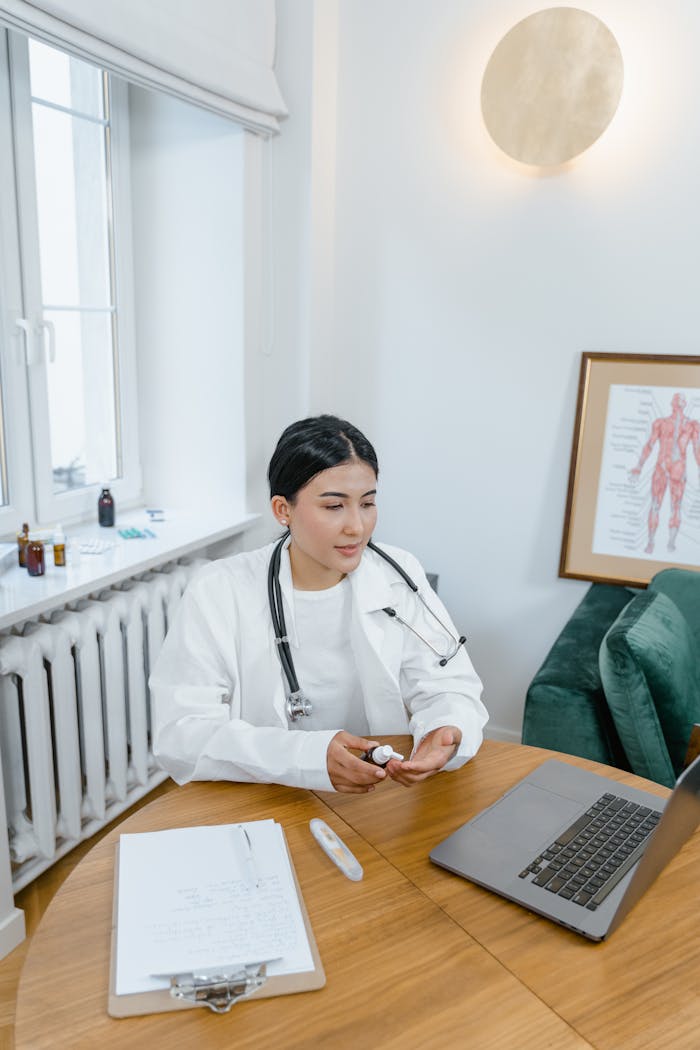
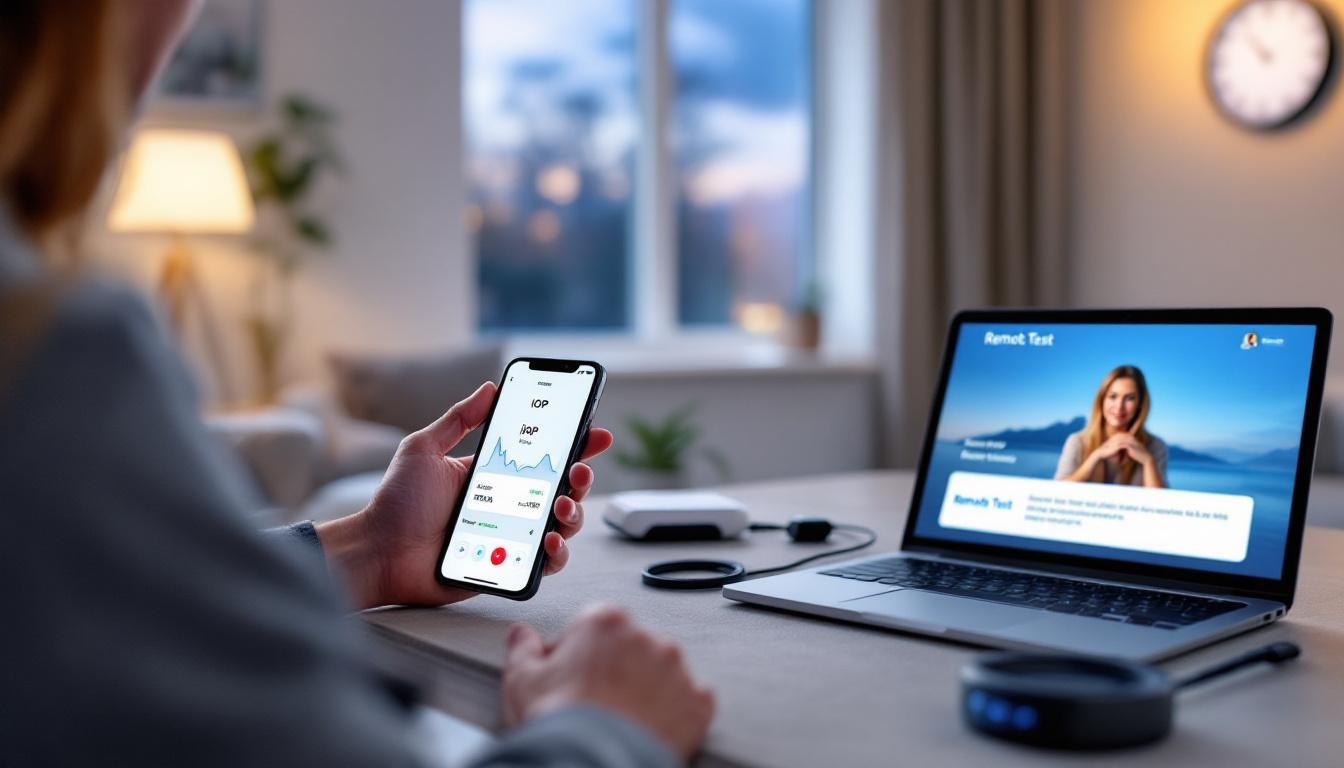
You collect samples at home between 5 and 10 p.m., and results reach your clinician within hours, sometimes as quickly as two hours compared to the three to five days typical labs require. A licensed clinician observes the entire collection via secure video to prevent tampering and maintain lab-grade accuracy, eliminating the need to take time off work or navigate HR processes. Testing reagents and analytic standards match certified laboratories, so you sacrifice no reliability for convenience. Real-time data feeds directly into your medical record and existing care plan, enabling your clinician to celebrate periods of sobriety with measurable results or address emerging patterns immediately.
Integration Transforms Testing Into Active Treatment
Your clinician flags irregularities during your next session and adjusts your treatment plan that same week rather than waiting for delayed feedback. If your results show consistent compliance, your clinician might reduce session frequency or adjust medication-assisted therapy dosing; if patterns suggest vulnerability to evening triggers, you practice coping techniques during that same evening session, building automaticity before cravings hit. The National Institute on Drug Abuse supports observed at-home testing as equivalent to clinic-based accuracy, validating this approach as clinically sound rather than a shortcut. This structure directly addresses high-risk windows after 5 p.m.-work stress, evening isolation, and family conflict-when most relapse occurs, giving you concrete techniques to deploy immediately.
Why This Timing Matters for Working Adults
Evening programming works because it meets you where relapse risk peaks. Most people with substance use disorder are employed, yet only about one in five seek treatment. The after-work structure enables immediate real-world application of emotion regulation and healthy communication skills at work the next day, potentially accelerating recovery progress. You maintain income, preserve family routines, and attend treatment without the scheduling conflicts that derail most employed adults from consistent care. This flexibility sets the stage for sustained engagement-and sustained engagement is what determines whether recovery holds.
Why Remote Testing Eliminates the Biggest Barrier to Consistent Care
Remote testing during evening hours solves the single largest reason employed adults abandon treatment: the impossible choice between going to work and showing up for care. Traditional drug testing requires a daytime appointment at a lab or clinic, meaning you either miss work, explain an absence to your employer, or skip the test entirely. You collect samples between 5 and 10 p.m. from home, results reach your clinician within hours instead of three to five days, and no one at your workplace knows you’re in treatment. A licensed clinician observes the collection via secure video to prevent tampering, maintaining the same accuracy as a certified lab without requiring you to leave your desk or navigate HR processes.

This timing matters because evening hours capture the exact window when relapse risk peaks for working adults, giving your clinician real-time data to address emerging patterns before they escalate into a crisis.
Speed Changes How Treatment Responds to Your Needs
When results arrive within two hours instead of waiting a week, your clinician can celebrate sobriety with measurable proof during your next session or flag concerning patterns immediately. If your results show consistent compliance, your clinician might adjust medication-assisted therapy dosing or reduce session frequency. If patterns reveal vulnerability to evening triggers like work stress or family conflict, you practice coping techniques that same evening while the trigger remains fresh. Traditional labs create a feedback gap where weeks pass between testing and response, leaving you without guidance when cravings hit hardest. Remote testing collapses that gap. Your treatment plan evolves weekly based on objective data rather than your recollection of difficult moments, and adjustments happen during evening sessions when you’re already engaged with your clinician and peers.
Lab-Grade Accuracy Without the Lab Visit
Observed at-home testing delivers lab-grade accuracy, so this speed and convenience don’t sacrifice clinical reliability. Testing reagents and analytic standards match certified laboratories exactly. A licensed clinician observes the entire collection via secure video to prevent tampering, maintaining the same rigor as in-person clinic testing. You avoid the need to take time off work or navigate HR processes, yet your results carry the same clinical weight as samples collected in a traditional setting. This combination of speed, accuracy, and convenience transforms how treatment responds to your actual life.
Real-Time Integration Turns Testing Into Active Treatment
Your clinician flags irregularities during your next session and adjusts your treatment plan that same week rather than waiting for delayed feedback. If your results show consistent compliance, your clinician might adjust medication-assisted therapy dosing; if patterns suggest vulnerability to evening triggers, you practice coping techniques during that same evening session, building automaticity before cravings hit. This real-time integration transforms testing from a compliance checkbox into active treatment that directly addresses your specific barriers to sustained recovery. The feedback loop tightens, and your care responds to what actually happens in your life rather than what you remember weeks later.
Evening Hours Capture Your Highest-Risk Window
Evening programming works because it meets you where relapse risk peaks. Most people with substance use disorder are employed, yet only about one in five seek treatment. The after-work structure enables immediate real-world application of emotion regulation and healthy communication skills at work the next day, potentially accelerating recovery progress. You maintain income, preserve family routines, and attend treatment without the scheduling conflicts that derail most employed adults from consistent care. This flexibility sets the stage for sustained engagement-and sustained engagement determines whether recovery holds. The next section explores how this real-time data flow shapes your individual sessions with your clinician and strengthens the connection between what you learn in group therapy and what you practice in your actual life.
How Evening Care Fits Into a Working Life
The hardest part of treatment for employed adults isn’t wanting recovery-it’s finding a program that doesn’t force you to choose between your job and your health. Most people with substance use disorder work full-time, yet only about one in five seek treatment, according to SAMHSA data. The barrier isn’t motivation; it’s logistics. Daytime programs demand you leave work, explain absences to your employer, or sacrifice income. Evening programs eliminate that false choice. Sessions run three evenings per week between 5:30 and 8:20 p.m., which means you work a full day, attend treatment after hours, and keep your paycheck intact. Remote testing compounds this advantage-you collect samples at home between 5 and 10 p.m. instead of taking time off to visit a clinic or lab. This timing directly addresses the reality of working recovery: you need treatment precisely when relapse risk peaks, which is after work ends and before bedtime, not during business hours when you’re at your desk.

Why Evening Hours Match Your Actual Risk Window
The practical impact of this scheduling is substantial. Remote testing eliminates the single largest reason employed adults miss appointments-the inability to leave work without raising questions. When testing happens at home in the evening, you avoid explaining a lab visit to HR, coordinating with colleagues to cover your absence, or losing billable hours. Results arrive within hours instead of three to five days, so your clinician adjusts your treatment plan the same week rather than waiting for delayed feedback that arrives long after the crisis moment passes.
How Speed Transforms Treatment Into Active Response
If your results show consistent compliance, your clinician can reduce session frequency or adjust medication dosing immediately. If patterns reveal vulnerability to evening triggers (work stress, family conflict, isolation), you practice specific coping techniques during that same evening session while the trigger remains fresh and real. This speed transforms treatment from a weekly obligation into an active response system that actually matches your life.
Maintaining Income and Family Stability During Recovery
You maintain your income, preserve family routines like dinner and bedtime with your kids, and attend treatment without the scheduling conflicts that derail most employed adults from sustained engagement.
Final Thoughts
Recovery doesn’t require sacrificing your career or family. We at EveningIOP built programs around the reality that most people with substance use disorder work full-time, yet traditional treatment forces an impossible choice between your job and your health. Remote testing in evenings eliminates that barrier entirely by letting you collect samples at home between 5 and 10 p.m., receive results within hours, and attend sessions between 5:30 and 8:20 p.m. without taking time off work or explaining a clinic visit to your employer.
The combination of evening group therapy, one-on-one sessions with licensed clinicians, and at-home monitoring creates a treatment structure that matches how working adults actually live. Your clinician adjusts your treatment plan the same week based on real data rather than waiting days for feedback, which matters because it collapses the gap between when relapse risk peaks and when you get support to address it. Lab-grade accuracy remains intact through observed testing via secure video, so you sacrifice no clinical reliability for the speed and convenience that keep your income and family routines stable.
Maintaining work routines during treatment produces higher completion rates and better long-term outcomes, and evening programming supports this by letting you keep your paycheck, preserve family life, and attend care without the scheduling conflicts that derail most employed adults. EveningIOP delivers DHCS-licensed, Joint Commission-accredited care that combines interactive group therapy, individual sessions, and remote testing into a cohesive treatment path.