

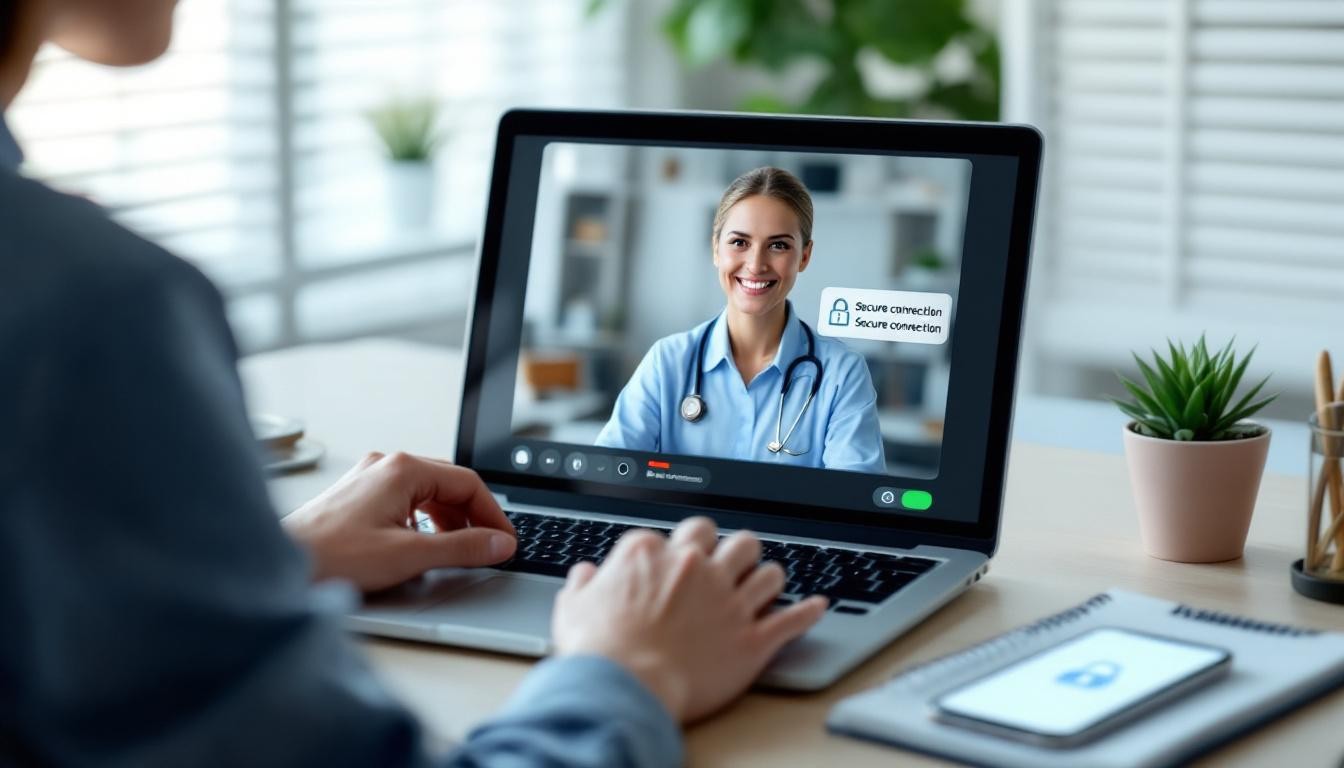
Addiction recovery requires trust, and trust starts with knowing your personal information stays protected. At EveningIOP, we understand that confidential telehealth addiction care removes a major barrier keeping people from seeking help.
Your privacy during treatment isn’t just a legal requirement-it’s foundational to your recovery. This guide walks you through exactly how your information stays secure and what you can do to protect it further.
How Your Information Stays Protected in Telehealth
Federal law requires telehealth addiction treatment to meet strict privacy standards. HIPAA compliance stands as the most important one-it mandates that healthcare providers and technology vendors use secure platforms, limit how your personal health information is used, and provide a clear privacy notice explaining your rights. Substance use disorder records receive additional protection under 42 CFR Part 2, a federal regulation that restricts the use and disclosure of substance use disorder patient records. This dual protection means your addiction treatment records have stronger confidentiality safeguards than most other healthcare information. When you start telehealth treatment, your provider must have a business associate agreement with any third-party vendor handling your data, which legally binds them to protect your information.

Encryption and Authentication Protect Your Sessions
Reputable telehealth providers encrypt your conversations both during transmission and at rest, meaning your video, audio, and text communications become scrambled so only you and your clinician can access them. End-to-end encryption serves as the standard, making it technically impossible for the platform itself to monitor what you discuss. Multi-factor authentication adds another layer of security by requiring more than just a password to log in, preventing unauthorized access even if someone obtains your login credentials. Remote testing works only when patients trust that their information remains confidential, and healthcare providers use encryption standards that meet industry requirements. Your provider should conduct regular software updates and maintain audit trails showing who accessed your records and when, allowing them to detect unusual activity immediately.
Licensed Clinicians Hold Legal Responsibility for Confidentiality
Licensed clinicians treating addiction face binding professional ethics codes and state licensing laws that require them to keep your information confidential with very limited exceptions (such as imminent danger to yourself or others). This legal obligation exists independent of the technology platform and means your clinician personally assumes responsibility for protecting your privacy. When you begin treatment, your provider should give you a clear confidentiality agreement explaining these protections, what information they collect, how they use it, and which situations allow them to share information without your consent. Patients who trust their privacy disclose their full history more openly and comply with treatment more reliably, which is why transparency about these protections matters from day one. These safeguards form the foundation for the next critical element of your recovery-choosing the right platform and setting for your sessions.
Why Privacy Matters for Your Recovery
Stigma Stops People From Seeking Help
Stigma remains the single biggest reason people avoid addiction treatment. Confidential telehealth removes a critical barrier by letting you access treatment from home without neighbors, coworkers, or family members knowing you’re in recovery. When your sessions stay private and encrypted, you control who finds out about your treatment. This privacy isn’t theoretical-it directly impacts whether someone takes the first step toward recovery or continues suffering alone.

The moment someone fears their employer might discover they’re in addiction treatment, they delay care. The moment they worry a family member will find out, they rationalize staying where they are. Confidential telehealth addiction care eliminates these fears. You schedule sessions during evening hours, conduct them from your bedroom or office, and the only record stays between you and your licensed clinician. That control over your narrative changes everything.
Trust Unlocks Honest Treatment Conversations
Trust between you and your treatment provider determines whether therapy actually works. Research consistently shows that patients who feel their information remains confidential disclose their full history more openly and comply with treatment recommendations at significantly higher rates. When a clinician explains that your conversations are encrypted, your records stay protected under federal law, and they personally face professional consequences for breaching confidentiality, you can speak honestly about relapses, cravings, medication side effects, and relationship struggles without fear.
This honesty allows your clinician to adjust your treatment plan accurately rather than working with incomplete information. Your willingness to share difficult truths directly shapes how effective your treatment becomes. A clinician who hears the complete picture can recommend the right medication, adjust dosages, and address underlying trauma or mental health conditions that fuel addiction.
Confidentiality Protects Your Job and Relationships
Confidential treatment protects your employment and personal relationships in concrete ways. Employers cannot discriminate against employees in recovery if they don’t know about it, and that legal protection matters most when your job stability depends on keeping your treatment private. Family members sometimes react poorly to addiction recovery, and maintaining confidentiality gives you space to stabilize your treatment before deciding when and how to involve loved ones.
Licensed clinicians bound by confidentiality agreements understand these real-world pressures and structure treatment accordingly. They create space for genuine recovery rather than performance recovery designed to satisfy others. This professional understanding means your clinician supports your decisions about disclosure timing and helps you navigate conversations with family or employers when you’re ready. With these privacy protections in place, you can focus entirely on your recovery without managing external judgment or workplace consequences.
Best Practices for Maintaining Confidentiality During Online Treatment
Your physical environment during telehealth sessions matters as much as encryption and legal protections. Physical privacy in your home during telehealth sessions removes a constant low-level anxiety about being overheard, allowing you to focus completely on your treatment rather than monitoring who might be listening. This means your location choice shapes your entire recovery experience. Select a room where others cannot overhear your conversation-a bedroom with a closed door works better than a living room where family members might walk through. If you live with roommates or family, communicate that you need uninterrupted time during specific hours and keep your session door locked. Some people schedule sessions during flexible after-hours options when household members are working or sleeping, which eliminates interruptions entirely.
Create Physical Privacy in Your Home
Your clinician needs to hear your full story without interruptions, and you need to speak without fear that someone will overhear sensitive details about your addiction or recovery struggles. A locked door and quiet space transform your session from something you rush through into genuine therapeutic work. If your living situation makes privacy difficult, talk with your provider about alternative times or spaces-some people use their car parked in a quiet location, a friend’s home, or even a private office at work during lunch hours.
Secure Your Internet Connection and Device
Your internet connection and device security directly impact whether your encrypted session actually stays encrypted. Public Wi-Fi networks at coffee shops, libraries, or airports expose your data to anyone on that network, making them unsuitable for addiction treatment sessions regardless of platform encryption. Use your home Wi-Fi network with a strong password, or use your phone’s cellular data if your home network feels unreliable. Keep your device software updated-outdated operating systems and apps contain security vulnerabilities that hackers exploit to access your sessions and records. Enable automatic updates on your phone or computer so you don’t have to remember this manually.

If you share a device with family members or roommates, create a separate user account for your treatment sessions and use a strong, unique password that others cannot guess. Consider using a dedicated device if possible, especially if you live in a chaotic household. These steps sound technical, but they’re straightforward actions that prevent someone else from accessing your treatment records or joining your session uninvited. Legitimate providers make confidentiality expectations clear because they take your privacy seriously.
Know Your Rights Regarding Treatment Records
Federal law rights regarding addiction treatment records protect the privacy of patient records related to substance use disorder. You have the right to request a copy of your treatment records, know exactly what information your provider collected, and understand how they use it. Most providers maintain this information in patient portals where you can review your session notes and medication records anytime. You also have the right to request that your provider not share your information with insurance companies, family members, or other healthcare providers unless you explicitly consent in writing.
Some people request that their provider bill insurance under a general mental health code rather than substance use disorder to add an extra layer of privacy, though this may affect coverage. Your provider must explain these rights during your first session and give you written documentation. If your provider cannot clearly explain your confidentiality rights or seems vague about how they handle your data, that’s a red flag worth taking seriously. Legitimate providers make confidentiality transparent from the start because they understand that clarity builds the trust necessary for effective treatment.
Final Thoughts
Confidential telehealth addiction care works because it removes the barriers that keep people trapped in addiction. When your sessions stay encrypted, your records stay protected under federal law, and your clinician faces professional consequences for breaching confidentiality, you can finally speak honestly about what you’re struggling with. That honesty transforms treatment from something you endure into something that actually changes your life. Research consistently shows that patients who trust their privacy disclose their full history more openly and comply with treatment recommendations at significantly higher rates.
The privacy protections outlined in this guide aren’t theoretical safeguards-they’re legal requirements backed by HIPAA, 42 CFR Part 2, and professional ethics codes that your clinician must follow. Encryption scrambles your conversations so only you and your provider can access them, while multi-factor authentication prevents unauthorized login attempts and business associate agreements legally bind third-party vendors to protect your data. Your clinician can adjust your treatment plan accurately, recommend the right medication, and address underlying trauma when they hear the complete picture. These layers work together to create an environment where you can focus entirely on recovery without managing external judgment or workplace consequences.
Choosing a provider who makes confidentiality transparent from day one matters most. Ask about their encryption standards, their business associate agreements, and their data handling practices, then explore how EveningIOP’s evening intensive outpatient programs support your recovery journey with live group therapy, one-on-one sessions with licensed clinicians, and secure telehealth platforms.